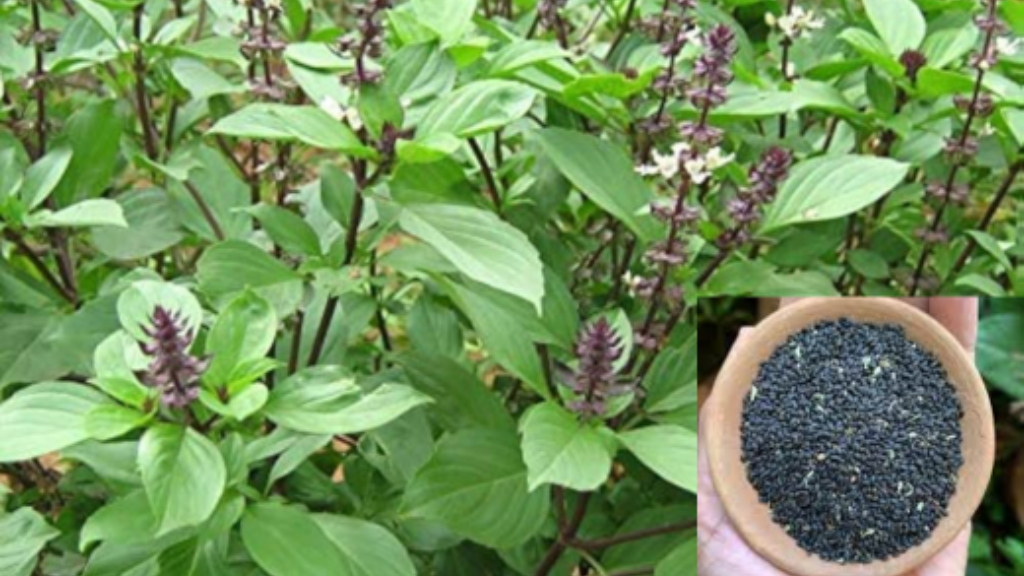
Sabja seeds, also known as sweet basil seeds or tukmaria seeds, have been used in traditional medicine for centuries. These tiny black seeds are packed with fiber, antioxidants, vitamins, and minerals that support overall health. When soaked in water, they swell and develop a gel-like coating, making them a popular addition to drinks, smoothies, desserts, and healthy recipes.
Today, more people are discovering the incredible Sabja Seeds Benefits for weight management, digestion, skin, hair, and blood sugar control. They are easy to include in your daily diet and provide several essential nutrients without adding many calories.
In this guide, you’ll learn about the nutritional value of sabja seeds, their amazing health benefits, and why they deserve a place in your healthy lifestyle.
What Are Sabja Seeds?
Sabja seeds come from the sweet basil plant (Ocimum basilicum). Although they look similar to chia seeds, they are different in appearance, texture, and nutritional profile.
After soaking for about 15 to 20 minutes, sabja seeds absorb water and become soft with a transparent gel coating. This makes them easier to digest and enjoyable to eat.
These seeds are commonly added to:
- Lemon water
- Milkshakes
- Smoothies
- Falooda
- Yogurt
- Fruit juices
- Healthy desserts
Besides adding texture, they also increase the nutritional value of your meals.
Sabja Seeds Nutrition
One of the biggest reasons behind the growing popularity of sabja seeds is their impressive nutritional profile.
Sabja seeds nutrition includes:
- Dietary fiber
- Plant-based protein
- Calcium
- Iron
- Magnesium
- Potassium
- Omega-3 fatty acids
- Antioxidants
These nutrients support digestion, bone health, heart health, and overall wellness.
15 Amazing Sabja Seeds Benefits
1. Supports Weight Loss
One of the most popular Sabja seeds for weight loss benefits is their high fiber content.
When soaked, the seeds expand and create a feeling of fullness. This may help reduce unnecessary snacking and overeating, making it easier to manage calorie intake as part of a balanced diet.
For best results, combine sabja seeds with regular exercise and healthy eating habits.
2. Improves Digestion
Among the best Sabja seeds benefits for digestion is their ability to support healthy bowel movements.
The fiber helps promote regular digestion and may reduce occasional constipation. The gel coating formed after soaking also helps soothe the digestive tract.
Adding soaked sabja seeds to your daily diet may support a healthier digestive system.
3. Helps Keep You Hydrated
Because sabja seeds absorb a large amount of water, they can help your body stay hydrated, especially during hot weather.
They are often included in cooling summer drinks because of their refreshing effect.
4. Rich in Antioxidants
Sabja seeds contain antioxidants that help protect your body’s cells from damage caused by free radicals.
A diet rich in antioxidants supports overall health and may reduce oxidative stress.
5. Supports Healthy Blood Sugar Levels
Some studies suggest that the fiber in basil seeds may help slow the absorption of sugar after meals.
Because of this, Sabja seeds benefits for diabetes are often discussed as part of a healthy diet. However, people with diabetes should continue following their healthcare provider’s advice and prescribed treatment.
6. Promotes Healthy Skin
One of the lesser-known Sabja seeds benefits for skin is their ability to support skin health through proper hydration and antioxidants.
Healthy nutrition, combined with adequate water intake, may contribute to naturally glowing skin over time.
7. Supports Healthy Hair
Healthy hair depends on proper nutrition.
Some Sabja seeds benefits for hair come from the vitamins, minerals, and antioxidants they contain, which help nourish the body from within. While they are not a direct treatment for hair loss, including nutrient-rich foods in your diet supports overall hair health.
8. Good Source of Fiber
Fiber is essential for digestive health and overall wellness.
Regular fiber intake may help:
- Improve digestion
- Increase fullness
- Support healthy cholesterol levels
- Maintain bowel regularity
Sabja seeds are an easy way to increase your daily fiber intake.
Why Are Sabja Seeds Becoming So Popular?
More people are choosing natural superfoods that are easy to add to everyday meals. Sabja seeds fit perfectly into this trend because they are affordable, simple to prepare, and rich in nutrients.
Unlike many processed health products, soaked sabja seeds can be added to drinks, yogurt, fruit bowls, or smoothies without changing the flavor too much. Their mild taste and impressive nutritional profile make them a favorite among people looking to improve digestion, stay hydrated, and support overall health naturally.
Their versatility is another reason they have become a staple in many healthy diets around the world.
Supports Heart Health
The fiber and healthy fats found in sabja seeds may support heart health when included as part of a balanced diet. Eating fiber-rich foods can help maintain healthy cholesterol levels and contribute to overall cardiovascular wellness.
Although sabja seeds are nutritious, they should be combined with regular exercise and a healthy lifestyle for the best results.
Helps Keep You Full Longer
Because soaked sabja seeds expand and become gel-like, they can help you feel full for a longer time.
This makes them a great addition to breakfast or healthy snacks, especially for people trying to control hunger between meals.
Supports Bone Health
Sabja seeds contain minerals such as calcium and magnesium, which are important for maintaining strong bones and teeth.
Including calcium-rich foods in your daily diet supports long-term bone health.
May Help Reduce Acidity
Many people drink soaked sabja seeds during summer because they are believed to have a cooling effect on the body.
They may also help soothe mild acidity or heartburn in some individuals, although scientific evidence is still limited.
Supports Overall Wellness
The vitamins, minerals, antioxidants, and fiber found in sabja seeds work together to support overall health.
Regular consumption as part of a nutritious diet may help improve energy levels and overall well-being.
Easy to Add to Daily Meals
One of the biggest advantages of sabja seeds is how easy they are to use.
They can be added to:
- Lemon water
- Smoothies
- Fruit juices
- Milk
- Yogurt
- Oatmeal
- Falooda
- Fruit salads
This makes it simple to enjoy their health benefits every day.
A Natural Superfood
Sabja seeds are often called a natural superfood because they provide several nutrients in a small serving.
Combined with a healthy diet, they can be an excellent addition to your daily nutrition plan.
How to Use Sabja Seeds
Many people wonder How to use sabja seeds correctly.
Follow these simple steps:
Step 1: Soak the Seeds
Take 1–2 teaspoons of sabja seeds and soak them in a glass of water for 15–20 minutes.
Step 2: Wait Until They Swell
The seeds will absorb water and develop a soft, gel-like coating.
Step 3: Add to Your Favorite Foods
Mix the soaked seeds into:
- Water
- Lemon juice
- Smoothies
- Yogurt
- Milkshakes
- Fruit bowls
- Desserts
Step 4: Enjoy in Moderation
For most healthy adults, 1–2 teaspoons of soaked sabja seeds per day is generally enough as part of a balanced diet.
Sabja Seeds Side Effects
Although sabja seeds are considered safe for most people, excessive consumption may cause some unwanted effects.
Possible Sabja seeds side effects include:
- Bloating
- Gas
- Mild stomach discomfort
- Choking risk if eaten dry without soaking
- Allergic reactions in rare cases
Safety Tips
- Always soak sabja seeds before eating.
- Drink enough water throughout the day.
- Start with a small amount if you’re trying them for the first time.
- Consult your doctor before using them regularly if you are pregnant, breastfeeding, or taking medication.
Sabja Seeds Benefits for Women
There are several Sabja seeds benefits for women.
These tiny seeds may help:
- Support healthy digestion
- Increase daily fiber intake
- Keep the body hydrated
- Promote healthy skin
- Support overall nutrition
Women looking for healthy, nutrient-rich foods can easily include soaked sabja seeds in their everyday meals.
Sabja Seeds vs Chia Seeds
Many people compare Sabja seeds vs chia seeds because they look similar.
Here are the main differences:
Sabja Seeds
- Come from the sweet basil plant
- Swell quickly in about 15–20 minutes
- Have a cooling effect
- Commonly used in Indian drinks and desserts
Chia Seeds
- Come from the chia plant
- Take longer to soak
- Contain more protein and omega-3 fatty acids
- Often added to smoothies, oatmeal, and baked foods
Both are nutritious and can be part of a healthy diet. The better choice depends on your personal preferences and nutritional needs.
Tips to Get the Most Benefits
To enjoy the full benefits of sabja seeds:
- Always soak them before eating.
- Drink plenty of water.
- Eat them as part of a balanced diet.
- Include fruits and vegetables in your meals.
- Exercise regularly.
- Avoid consuming excessive amounts.
Small daily habits often provide better long-term health benefits than occasional large servings.
Who Should Avoid Sabja Seeds?
While sabja seeds are safe for most healthy adults, some people should be cautious.
Talk to your healthcare provider before consuming them regularly if you:
- Have swallowing difficulties
- Have known allergies to basil seeds
- Are taking blood-thinning medication
- Have digestive conditions that require a special diet
- Are pregnant or breastfeeding and have concerns about adding new foods
Overall Summary
The many Sabja Seeds Benefits make these tiny seeds a valuable addition to a healthy lifestyle. From supporting Sabja seeds for weight loss and improving Sabja seeds benefits for digestion to promoting healthy skin and providing essential nutrients, they offer numerous advantages when consumed in moderation.
Learning How to use sabja seeds is simple—just soak them before eating and add them to your favorite drinks or meals. While they are generally safe, it’s important to be aware of possible Sabja seeds side effects and consume them responsibly.
When combined with a balanced diet, regular exercise, and healthy lifestyle habits, sabja seeds can be an easy and nutritious way to support your overall health.
Frequently Asked Questions (FAQs)
1. What are the main benefits of sabja seeds?
Sabja seeds are rich in fiber, antioxidants, calcium, and healthy fats. They may support digestion, hydration, weight management, skin health, and overall wellness when included as part of a balanced diet.
2. Can sabja seeds help with weight loss?
Yes. Because soaked sabja seeds are high in fiber, they help you feel full for longer. This may reduce unnecessary snacking and support healthy weight management when combined with proper diet and exercise.
3. How should I eat sabja seeds?
Always soak sabja seeds in water for 15–20 minutes before consuming them. Once softened, they can be added to smoothies, lemon water, yogurt, milkshakes, fruit salads, or healthy desserts.
4. Are there any side effects of sabja seeds?
Most people can enjoy sabja seeds safely. However, eating too many may cause bloating, stomach discomfort, or gas. Dry seeds should never be eaten without soaking because they can pose a choking risk.
5. Which is better: sabja seeds or chia seeds?
Both are nutritious choices. Sabja seeds soak faster and are popular in cooling drinks, while chia seeds provide more protein and omega-3 fatty acids. The best option depends on your dietary preferences and nutritional goals.
Read More :