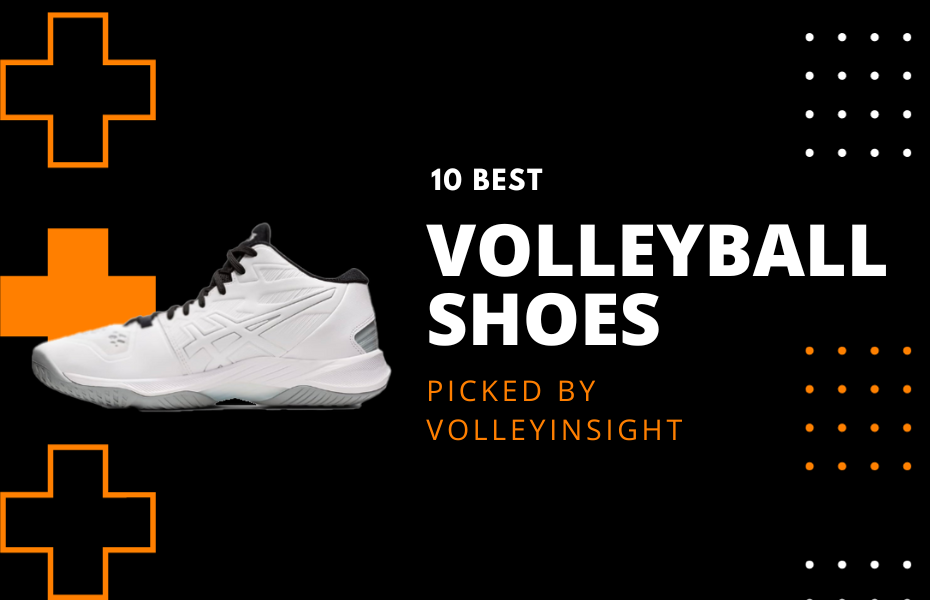
Volleyball shoes are one of the most important pieces of gear for any player because they directly affect grip, jumping power, and injury risk on the court. Choosing the right volleyball shoes becomes even more crucial for competitive environments like Nebraska volleyball or Wisconsin volleyball, where every point and every landing matters.
What makes volleyball shoes special
Volleyball shoes are designed for quick lateral movements, explosive jumps, and safe landings, unlike running shoes that focus mainly on forward motion. They usually feature a gum or high‑performance rubber outsole for extra grip on indoor courts, along with cushioning in the midsole to absorb impact from frequent jumps and dives.
Most quality volleyball shoes also emphasize lightweight construction and breathability so players can move fast without feeling weighed down. Ankle support is another key focus because volleyball includes constant cutting, backpedaling, and sudden direction changes that can strain ligaments if footwear is unstable.
Key features to look for
When shopping for volleyball shoes, focus on a few core features that directly influence performance and comfort. These features matter whether playing in a college program like Nebraska volleyball or in a recreational league.
- Non‑marking rubber outsole to provide strong traction on indoor courts without leaving streaks.
- Cushioning in the heel and forefoot to handle repeated jumps and reduce knee and ankle stress.
- Lightweight, breathable upper (often mesh) to keep feet cool during long matches.
- Stable midsole and sidewall support to handle aggressive lateral moves and dives.
- Secure lacing and snug fit to prevent foot slippage inside the shoe during rapid direction changes.
Volleyball shoes and positions
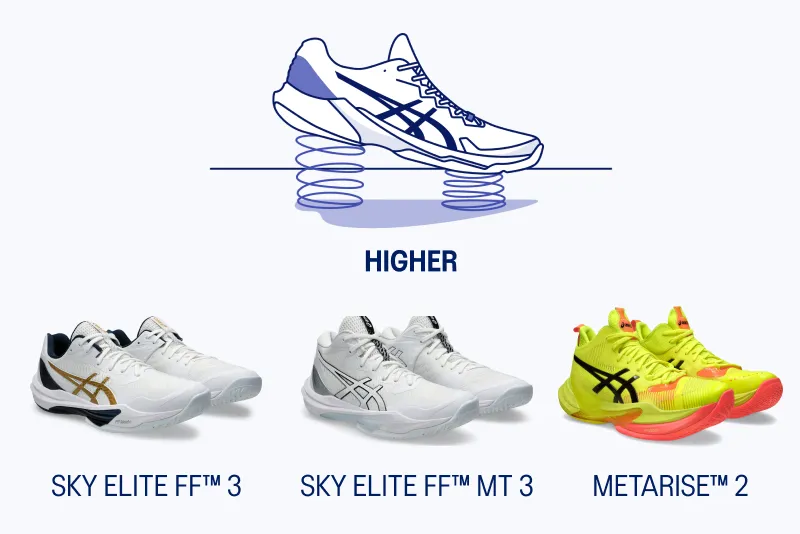
Different volleyball positions can benefit from slightly different shoe characteristics. For example, a middle blocker will not have the same movement pattern as a libero or setter, so it makes sense to match footwear to role.
- Hitters and blockers: Often prefer shoes with extra forefoot cushioning and strong lateral stability because they jump and land repeatedly near the net.
- Setters: Need quick reaction and all‑court mobility, so a balanced shoe with good grip, moderate cushioning, and light weight works well.
- Liberos and defensive specialists: Move constantly in short bursts and lateral shuffles, so they benefit from very grippy outsoles and low‑profile, lightweight shoes that allow fast floor contact.
Nebraska volleyball, Wisconsin volleyball and footwear
Top programs like Nebraska volleyball and Wisconsin volleyball rely on high‑performance volleyball shoes to support athletes through long seasons and intense schedules. Their players often use advanced cushioning technologies and pro‑level traction patterns to stay explosive and stable against elite competition.
For fans following the Nebraska volleyball schedule, understanding gear like volleyball shoes adds another layer of appreciation to every game. Each jump serve, block, and defensive dig depends not only on technique and strength but also on shoe grip, cushioning, and court feel.
Nebraska volleyball schedule and training
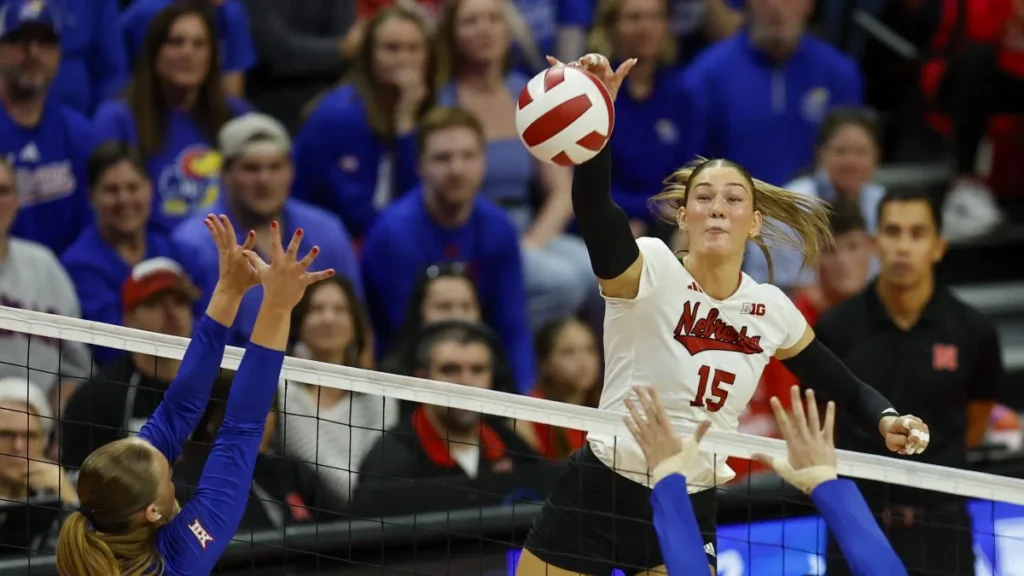
The Nebraska volleyball schedule usually includes conference play, non‑conference tournaments, and postseason matches, which means athletes practice and compete on courts almost year‑round. That level of volume demands durable volleyball shoes that maintain cushioning and traction even after months of hard landings.
Players often rotate pairs of volleyball shoes during long stretches of the schedule to reduce wear and maintain consistent performance throughout the season. Recreational players can follow a similar strategy by replacing shoes once grip fades or cushioning feels flat.
Volleyball drawing ideas
Volleyball drawing is a fun way for fans and players to express their love for the sport, and volleyball shoes can be a central visual element in that artwork. A dynamic drawing might show a player from Nebraska volleyball or Wisconsin volleyball mid‑air with detailed shoes emphasizing laces, sole patterns, and motion lines.
Simple volleyball drawing ideas include sketching a volleyball next to a pair of stylized volleyball shoes or illustrating different volleyball positions labeled around a court diagram. These drawings work well for posters, social media graphics, or school projects celebrating the sport.
Volleyball clipart for blogs
Volleyball clipart is useful for blogs, schedules, and training articles because it adds visual interest without requiring custom illustration. Common clipart elements include volleyballs, nets, players in different volleyball positions, and close‑ups of shoes landing on the court.
When using volleyball clipart that features volleyball shoes, look for images that clearly show lateral movement, jumping, or landing, since these highlight why specialized footwear matters. Ensure any Nebraska volleyball or Wisconsin volleyball branding used in clipart or images respects licensing and copyright rules.
Volleyball positions and movement demands
Understanding volleyball positions helps explain why shoe selection is so important. Each position has typical movement patterns:
- Setter: Repeated short sprints to the ball, quick pivots, and jumps for dumps or blocks.
- Outside and opposite hitters: Full‑approach runs, powerful vertical jumps, and lateral blocking moves.
- Middle blocker: Very frequent short lateral slides along the net and explosive vertical jumps.
- Libero/defensive specialist: Low stance, constant shuffling, quick dives, and rapid recoveries.
Because these movements differ, volleyball shoes must offer enough grip, cushioning, and stability to support any position, even if individual players fine‑tune preferences.
Comparing volleyball and regular shoes
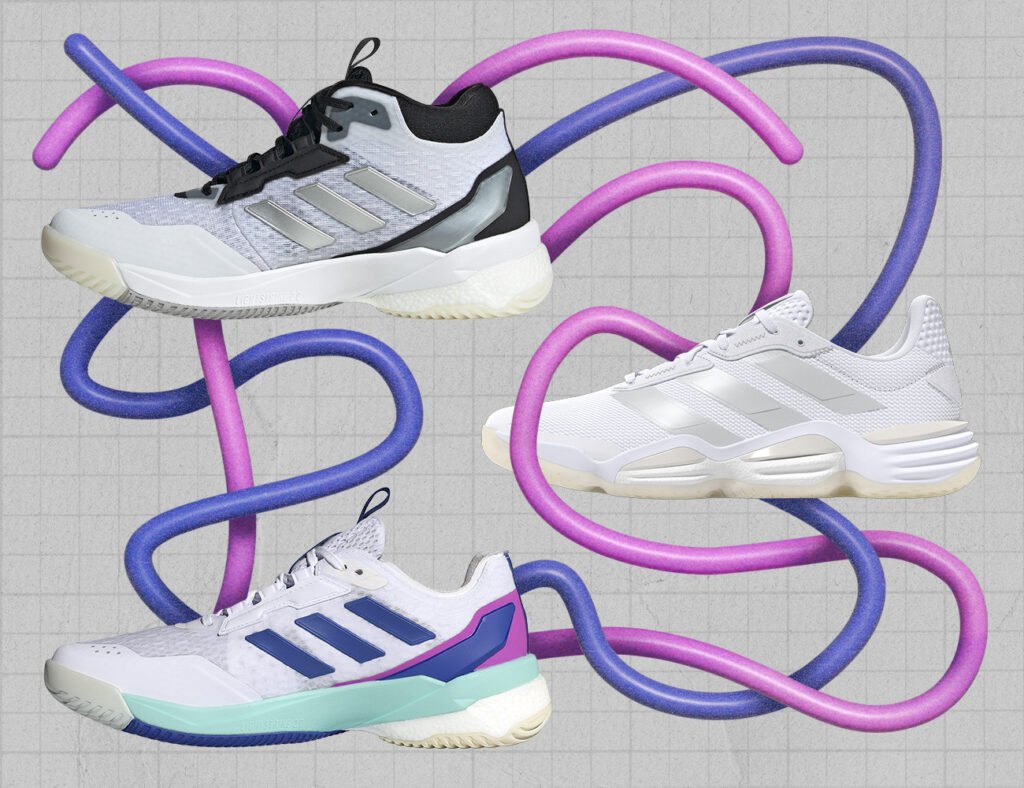
Using images of volleyball shoes
For a blog or website, pairing text about volleyball shoes with relevant images improves engagement and SEO. Good image ideas include close‑ups of volleyball shoes on a court, athletes from programs like Nebraska volleyball or Wisconsin volleyball mid‑jump, or diagrams labeling the parts of a shoe (outsole, midsole, upper, and lacing).
Always use properly licensed photos or royalty‑free volleyball clipart and credit the creator or source where required to respect copyright. Compress images for faster page loading, and add descriptive alt text with keywords like “volleyball shoes,” “volleyball positions,” or “Nebraska volleyball schedule” for better search visibility.